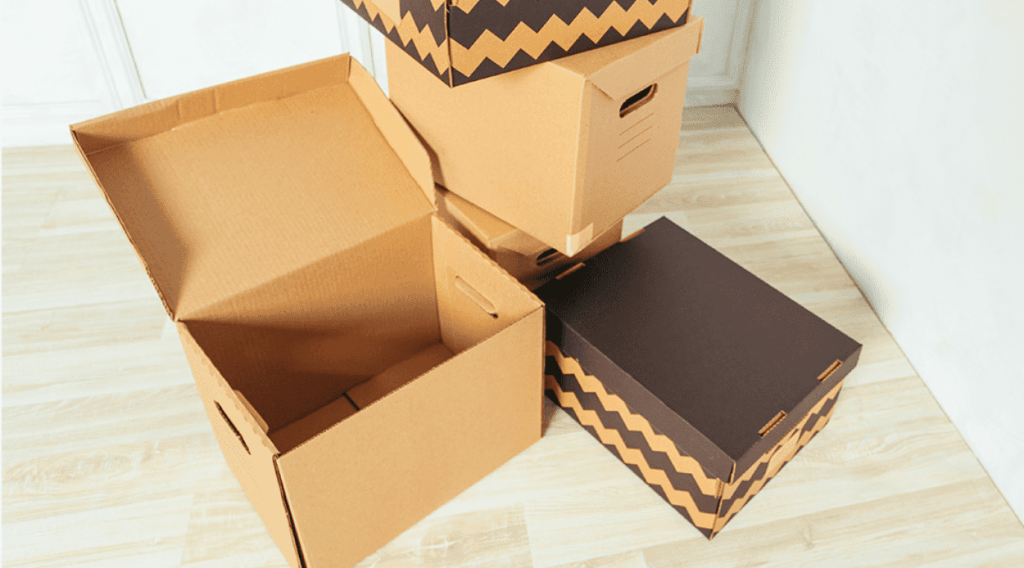
Corrugated packaging has become a cornerstone of modern logistics, providing durability, sustainability, and flexibility for businesses across the globe. From protecting fragile products during transport to offering an eco-friendly packaging solution, corrugated boxes continue to evolve. In today’s fast-paced world, the demand for advanced packaging solutions has led to new innovations that cater to both sustainability goals and consumer expectations. This article explores the latest corrugated packaging news today, highlighting key trends and developments shaping the future of the industry.
The Rise of Sustainable Corrugated Packaging
Sustainability is one of the most prominent trends in corrugated packaging today. As consumers and companies alike become more eco-conscious, the packaging industry is rapidly adopting sustainable practices. Corrugated packaging, made from renewable resources like paperboard, is inherently eco-friendly due to its recyclability and biodegradability. It is one of the most commonly recycled packaging materials, with millions of tons of corrugated boxes being repurposed each year.
Today, many companies are pushing the envelope by producing packaging made from 100% recycled materials or using biodegradable inks and adhesives. As demand for green packaging grows, corrugated manufacturers are continuing to innovate with alternative fibers such as agricultural byproducts, reducing the reliance on wood and minimizing environmental impact.
Advancements in Smart Packaging
The integration of technology into corrugated packaging has taken the industry by storm. In 2026, smart packaging solutions are becoming more prevalent, thanks to innovations like QR codes, NFC chips, and RFID tags. These technologies help improve inventory management, enhance the consumer experience, and ensure product traceability. For instance, QR codes on corrugated boxes can link consumers to product information, promotional offers, or even sustainability initiatives by the brand.
Additionally, RFID tags embedded in corrugated packaging can streamline the supply chain by tracking products in real-time. This helps businesses optimize their operations, reduce waste, and ensure that products are delivered efficiently and on time.
E-Commerce and the Growing Demand for Corrugated Packaging
As e-commerce continues to grow, so does the need for reliable and sturdy packaging solutions. In 2026, corrugated packaging is playing a pivotal role in e-commerce logistics. With the increase in online shopping, businesses are looking for packaging that not only protects products during shipping but also enhances the unboxing experience for customers.
Corrugated boxes are favored for their strength, ability to be customized, and cost-effectiveness. Companies in the e-commerce space are leveraging corrugated packaging to create attractive and functional packaging designs that catch the attention of consumers. Custom-printed corrugated boxes with branding and vibrant designs are becoming a standard for many brands, helping them stand out in the crowded digital marketplace.
The Future of Corrugated Packaging: Lightweight and High-Performance Designs
Innovation in materials and design is driving the development of lighter yet stronger corrugated boxes. Today, corrugated packaging manufacturers are using advanced techniques to create boxes that are both lightweight and highly durable. These high-performance boxes can withstand the rigors of transportation while minimizing the overall weight of the package, which can lead to cost savings in shipping.
Corrugated manufacturers are also focusing on improving the strength-to-weight ratio of their boxes. By using advanced fluting profiles and more robust materials, the industry is finding ways to create packaging that offers superior protection without adding excessive weight.
The Role of Circular Economy in Corrugated Packaging
The circular economy is gaining significant traction in the packaging industry, and corrugated packaging is at the forefront of this movement. A circular economy aims to reduce waste and make the most out of resources by encouraging the reuse and recycling of materials. Corrugated packaging is highly recyclable and can be reused multiple times, making it a natural fit for the circular economy.
Today, more companies are adopting circular economy principles, ensuring that the corrugated packaging they use is not only recyclable but also sourced responsibly. This shift is helping businesses reduce their environmental footprint and contribute to a more sustainable future.
Conclusion
Corrugated packaging continues to evolve, with innovations focused on sustainability, technology integration, and meeting the demands of the growing e-commerce industry. From eco-friendly materials to smart packaging solutions, the corrugated packaging industry is adapting to the challenges of today and preparing for the needs of tomorrow. As consumer preferences shift toward more sustainable and functional packaging, corrugated manufacturers are leading the way with advancements that make packaging more efficient, cost-effective, and environmentally responsible.
 Alexa
Alexa 
Leave a comment